Best Tucson General Contractor Services for Full Property Upgrades
How to Determine the Best General Contractor for Your Forthcoming Home Project
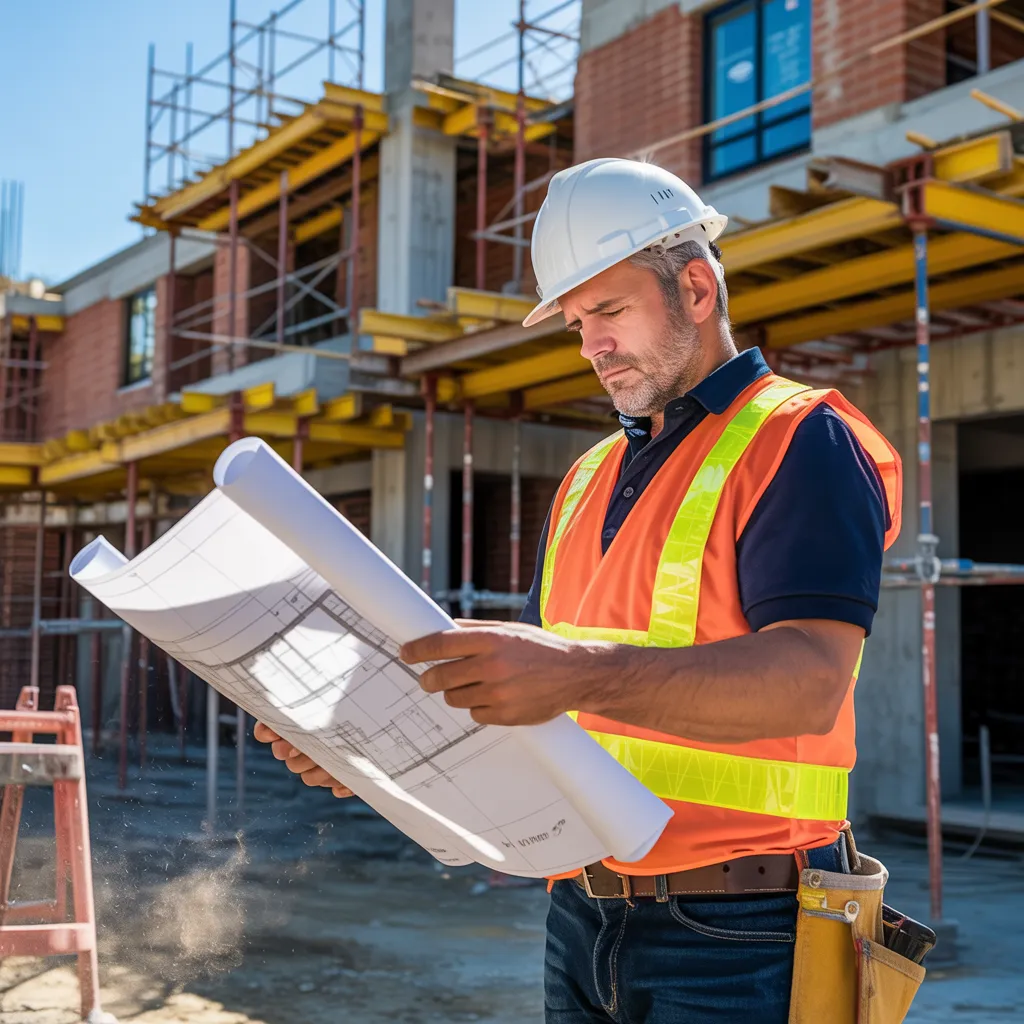
Picking a suitable general contractor for your home undertaking is an important decision. It necessitates thoughtful review of various aspects, encompassing experience, certifications, and interpersonal skills. Several residents ignore critical elements, leading to expensive errors. Grasping how to evaluate candidate professionals can produce a notable effect. By highlighting core requirements and requesting the suitable topics, you can work through this challenging endeavor more proficiently. What are the essential procedures to assure a fruitful partnership?
Recommendations to Sidestep Standard Pitfalls When Choosing a Builder
When hiring a general contractor, how can one navigate the myriad of choices without getting caught in usual mistakes? Prospective clients often overlook key details that can lead to poor consequences. First, considering price alone can be deceptive; the lowest bid may indicate inferior quality or concealed expenses. Additionally, failing to verify references or internet reviews can result in engaging a contractor with a bad history. It is also essential to avoid making decisions based on charisma alone; a charming contractor may not have the required expertise or trustworthiness. Moreover, failing to establish clear communication and expectations can lead to misinterpretations and unhappiness. Finally, neglecting to examine contracts carefully before signing can result in surprise commitments or absence of safeguards. By being alert and aware, homeowners can make more confident decisions, ultimately bringing about a positive completion.
How to Assess a Contractor's Track Record
When assessing a contractor's experience, several key factors come into play. Relevant project experience, professional credentials, and an extensive portfolio of finished projects serve as essential markers of their capabilities. Evaluating these aspects can deliver valuable insights into the contractor's appropriateness for the specific project at hand.
Related Initiative Experience
Understanding a contractor's relevant project experience is crucial for guaranteeing the success of any building project. Potential customers should evaluate the contractor's body of work, focusing on completed projects comparable in size and design to their own. This entails reviewing the quality of workmanship, adherence to timelines, and budget management in previous undertakings. Additionally, it is beneficial to inquire about the kinds of substances used and the contractor's knowledge of local building codes and standards. Reviews and recommendations from previous customers can shed light on the contractor's reliability and ability to communicate. In the end, a contractor with substantial relevant experience can navigate challenges effectively, ensuring the project satisfies the homeowner's expectations and standards.
Professional Certifications And Licenses
Certification and licensing serve as crucial indicators of a contractor's expertise and skill in the construction field. When choosing a general contractor, it is necessary to verify that they possess the necessary licenses required by local and state regulations. These licenses demonstrate compliance with building codes and safety standards. Additionally, industry certifications, such as those from the National Association of Home Builders or related organizations, reflect a contractor's commitment to excellence and ongoing education. Contractors with specialized certifications may also possess skills in specific areas, such as green building or remodeling. Ensuring that a contractor has the appropriate credentials not only enhances confidence in their capabilities but also minimizes potential legal and financial risks during the project.
Collection Of Completed Projects
A professional's portfolio featuring accomplished jobs functions as a key means for evaluating their expertise and proficiency. This set should display a range of jobs, illustrating varied styles in various styles and levels of complexity. When analyzing a portfolio, future clients need to find excellent photos that clearly illustrate the quality involved. It is furthermore helpful to view projects that fit the homeowner's specific needs or stylistic likes. Careful attention, innovative solutions, and respecting schedules are critical indicators of explore article a contractor’s competence. Moreover, buyer endorsements or project examples included in the portfolio can offer more knowledge into the contractor's dedication and dependability. In the end, a robust portfolio helps homeowners decide confidently for their future jobs.
How to confirm Your Contractor's Qualifications and Permits
Before hiring a general contractor, it is crucial to verify their qualifications and certifications to confirm they meet industry standards. Start by verifying with municipal licensing authorities to confirm that the contractor holds the necessary licenses for your area and project type. Each state has its own requirements, so learning about them can prevent future complications.
Additionally, ask about insurance coverage, encompassing liability and workers' compensation, to guarantee protection against potential accidents or damages. Gather references from previous clients and touch base to measure satisfaction and reliability.
Lastly, assess any certifications the contractor may hold, as these often show professional development and commitment to industry best practices. A detailed review process not only guarantees compliance but also creates assurance in the contractor's ability to execute the project successfully.
Why Dialogue Is Essential in Your Contractor Partnership
Essential dialogue plays a pivotal role in the relationship between contractors and clients, determining the project's success from the start. Clear communication sets expectations, timelines, and budgets, guaranteeing both parties are aligned on the project's goals. When clients articulate their vision effectively, contractors can provide informed recommendations and solutions, enhancing the overall outcome.
Ongoing updates and open lines of communication support immediate resolution of issues as they surface, preventing potential delays. Additionally, a contractor who listens and responds client feedback establishes trust, which is essential for collaboration.
In addition, productive communication helps in addressing changes and unexpected challenges, maintaining the project on schedule. It allows the contractor to revise approaches based on customer feedback, guaranteeing contentment during the process. Ultimately, emphasizing dialogue not only strengthens the contractor-client bond but also greatly supports to the successful completion of the home project.
Crucial Questions to Put Forward to Your Contractor in Introductory Meetings
During first consultations with a contractor, clients should stress understanding their experience and qualifications. It's vital to ask about the project timeline and budget to ensure accord with the client's expectations. These questions build a framework for a successful partnership and effective project management.
Experience and Professional Background
Choosing a contractor comes down to understanding their professional background and qualifications. Homeowners should request information on the contractor's time in the industry and the types of projects completed. Asking particular inquiries about licenses, certifications, and insurance policies is vital, as these assure following local laws and provide protection during the project. Additionally, checking past work through portfolios or recommendations can provide insight into the contractor's skill and trustworthiness. It is also beneficial to ask about their familiarity with similar projects, since this can demonstrate their capability to handle particular difficulties. In conclusion, assessing a contractor's experience and qualifications builds confidence and helps homeowners make informed decisions about their home projects.
Project Timeline and Budget
increasing the chances of a successful project.
Recommendations for Reviewing References and Analyzing Reviews
What actions should one undertake to confirm a general contractor is reliable? First, it is essential to request a list of recommendations from potential contractors. A reputable contractor will promptly give names and contact information of previous clients. One should call these references to ask about their experiences, focusing on factors including communication, quality of work, and adherence to timelines.
Furthermore, reading online reviews on services like Google, Yelp, or Angie's List can provide beneficial insights. It is essential to examine patterns in the reviews—steady approval or disapproval can demonstrate trustworthiness or potential issues.
Furthermore, examining any complaints filed with local licensing boards or consumer protection agencies can uncover a contractor's background. Finally, asking for recent project photos can help evaluate the quality of their work. By taking these steps, one can make a more informed decision when selecting a general contractor.
Understanding Contractor Pricing and Payment Terms
Property owners ought to familiarize themselves with customary payment terms. Most contractors insist on a deposit beforehand, accompanied by progress payments reliant on project milestones. It's essential to negotiate these terms before approving a contract to steer clear of misunderstandings. Also, homeowners should check potential hidden expenses, such as permits or unforeseen maintenance. Transparent communication regarding fee structure and payment terms will help cultivate a forthright working relationship, which ultimately leads to a successful project outcome. Grasping these elements allows homeowners to opt wisely when engaging a general contractor.
Frequently Asked FAQs
What Timeframe Should We Anticipate for Project Delivery?
Project duration generally fluctuates based on scope and complexity. Typically, it may take several weeks to months. Factors such as climate conditions, material availability, and labor resources can greatly influence the project completion schedule.
What Transpires if Unforeseen Problems Come Up During Project Work?
If unexpected issues happen during construction, the contractor typically assesses the situation, speaks with the homeowner, and proposes alternatives. Adjustments to the timeline and budget may be necessary, ensuring honesty throughout the project.
Does My Project Require Authorizations or Inspections?
Most projects require permits and inspections to ensure adherence with local building codes. It is critical to consult with a construction professional who grasps these needs, as they can successfully navigate the permitting process competently.
What Is Your Approach to Managing Subcontractors and Their Payments?
A accomplished general contractor administers subcontractors by establishing definitive agreements outlining payment terms. They provide timely payments, copyright transparent exchange, and check subcontractor work quality, fostering a unified culture that benefits project success and efficiency.
How Do You Handle Project Changes or Modifications?
The contractor adopts a adaptable strategy to modifications to projects, requiring documented records for any upgrades. They guarantee transparent dialogue, evaluate cost implications, and modify schedules accordingly to accommodate the client's evolving needs and preferences.